 Presione Aqui
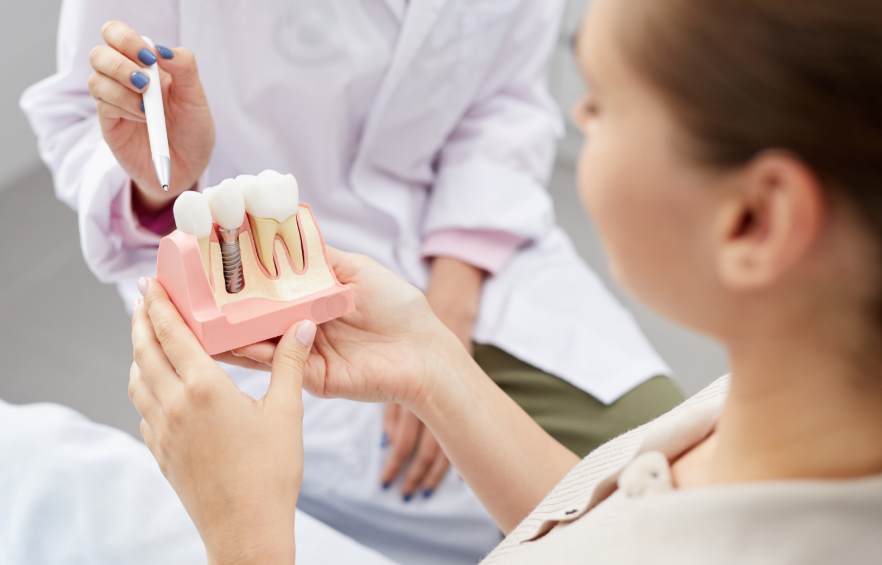
Dental implants are often considered one of the most natural-feeling ways to replace missing teeth. They can restore your ability to chew, fill gaps in your smile, and provide a stable foundation for replacement teeth. But if you have dental implants—or are considering them—you may wonder whether they are vulnerable to the same problems as natural teeth.
So, can dental implants get cavities?
The short answer is no. However, that doesn’t mean implants are completely immune to oral health problems.
Why Can’t Dental Implants Get Cavities?
A natural tooth can develop a cavity because it contains living structures covered by enamel and dentin. When bacteria in plaque interact with sugars in your diet, they produce acids that can gradually damage these tooth structures.
Dental implants are different. The implant itself is typically made from titanium or another biocompatible material, while the visible replacement tooth may be made from materials such as ceramic or porcelain. These materials don’t decay like natural tooth enamel.
That means you won’t develop a traditional cavity in the implant itself.
But there’s an important distinction to remember: just because an implant can’t get a cavity doesn’t mean the area around it can’t develop problems.
Can Dental Implants Get Gum Disease?
The tissues surrounding an implant can become inflamed or infected when bacteria and plaque accumulate. One condition associated with inflammation around implants is peri-implant disease.
Peri-implant mucositis involves inflammation of the soft tissue around an implant. If the inflammation progresses and begins affecting the bone supporting the implant, it can develop into peri-implantitis.
Signs can include red, swollen, tender, or bleeding gums around the implant. In more advanced cases, bone loss can compromise the support of the implant.
In other words, your implant may not get a cavity, but the foundation supporting it still needs attention.
How Should You Care for Dental Implants?
Fortunately, caring for dental implants is similar in many ways to caring for natural teeth. Brush regularly, clean between your teeth and implants, and follow any specific instructions provided by your dental professional.
Don’t skip your regular dental appointments, either. Professional examinations can help identify inflammation or other changes around an implant before they become more serious. Maintenance schedules can vary depending on your individual needs and risk factors.
It’s also important to remember that your other natural teeth can still develop cavities. If you have a combination of implants and natural teeth, your entire mouth deserves the same consistent attention.
Protect Your Investment
Dental implants can be a long-lasting solution for missing teeth, but they aren’t maintenance-free. Keeping plaque under control and monitoring the health of the surrounding gums and bone can help protect your investment for years to come.
If you notice bleeding, swelling, tenderness, unusual discomfort, or changes around an implant, don’t ignore them. A dental professional can determine what’s happening and recommend appropriate care.
Your dental implant may be resistant to cavities, but your overall oral health still deserves plenty of TLC.
About the Practice
A New Smile Dental provides comprehensive dental care with a focus on helping patients restore healthy, functional, and confident smiles. The practice offers dental implants as well as cosmetic, restorative, and general dentistry services. Its team works with patients to develop individualized treatment plans for replacing missing teeth and maintaining long-term oral health.
Call us at (661) 251-0480 or schedule your appointment online